Reviewing Faith Hope Love Down Syndrome Awareness Embroidery Design
As an experienced embroidery designer and product reviewer, I always take a close look at how a design translates from digital file to finished product. When I first opened the Faith Hope Love Down Syndrome Awareness embroidery design, it struck me as both thoughtful and versatile. The theme is uplifting yet subtle, which makes it a strong candidate for a variety of real-world projects. But before jumping into production, let’s break down what this design offers and where it might need some extra attention.
A Warm and Meaningful First Impression
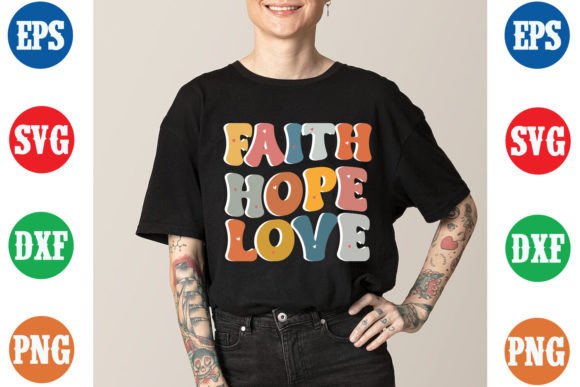
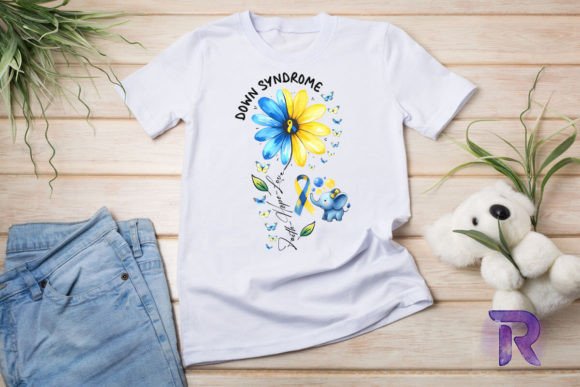
The Faith Hope Love Down Syndrome Awareness design has a soft, handcrafted feel that immediately suggests a focus on sentiment and inclusivity. The layout is balanced with clear visual hierarchy—three key words are arranged in a way that feels intentional without being cluttered. The typography leans toward rounded, approachable fonts, which work well for baby clothes or gift items but may require adjustments for more rugged applications like denim or outdoor gear.
What stands out is the gentle use of color and detail. It’s not overly intricate, making it easier to manage stitch density across different fabric types. This simplicity also means it can be adapted to various themes, from holiday gifts to nursery decor. For small business owners or Etsy sellers looking to create personalized products, this design provides a solid foundation while still allowing room for customization.
Where It Fits Best
- Tote bag designs: The size and clarity of the text make it ideal for tote bags. It reads well at a glance and fits nicely in a medium hoop.
- Sweatshirt embroidery: Especially when using satin stitch along the edges, the design maintains its shape and visibility even on stretchy knits.
- Baby items: The soft aesthetic aligns perfectly with baby apparel or accessories, such as onesies, bibs, or blankets.
- Holiday gifts: With its warm message, it could easily become a signature design for personalized holiday sweaters or aprons.
- Printables and iron-on transfers: The clean lines and minimal details ensure crisp results when printed or heat-transferred onto fabric.
Real-World Application and Performance
I recently used this design for a custom sweatshirt order from a boutique client. They wanted something that felt personal but also professional enough to represent their brand. After stitching it onto a cotton-blend hoodie using a standard embroidery machine, I was impressed by how it retained its charm and legibility. The running stitch outlines held up well, and the fill areas were smooth without excessive tension issues.
For handmade products, especially those sold through Etsy or craft fairs, the machine embroidery design adds value by streamlining the process while maintaining a high-quality finish. It's particularly effective for sweatshirts, where bold yet friendly lettering is key. That said, I recommend testing it on scrap fabric before finalizing any custom apparel run, especially if you're planning to print mockups or sell digital embroidery files.
Visual Appeal and Customer Reception
One of the strengths of Faith Hope Love Down Syndrome Awareness is its emotional resonance. It conveys a message of hope and love in a way that feels genuine and not forced. Customers who received the embroidered sweatshirt mentioned how much they loved the font choice—it felt “real,” not too commercial or too childish. This kind of feedback is invaluable for craft business owners aiming to connect with buyers on a deeper level.
Visually, the design doesn’t overwhelm, which is great for small shop products. It allows for easy pairing with other elements like hearts, stars, or even minimalist illustrations. As a standalone embroidery file, it enhances the perceived product value and helps build customer trust in your attention to detail and intentionality in design choices.
Design Considerations and Limitations
While the design is adaptable, there are certain scenarios where you’ll want to exercise caution. For example, I found that placing it on a curved surface like a cap or hat resulted in slight distortion unless I adjusted the placement carefully. Similarly, when using it on textured fabrics such as canvas or linen, the stitch definition became less precise. These fabrics require additional stabilizer and careful monitoring of stitch density.
Here are a few things to keep in mind before using this design in your next project:
- Test on scrap fabric first: Especially if you’re working with a new type of material or preparing for a commercial embroidery run.
- Check thread color contrast: While the design looks good in pastels, darker thread colors might be better suited for light-colored garments.
- Review stitch density settings: If you notice bunching or puckling during test runs, adjust the fill stitch or running stitch accordingly.
- Confirm hoop size: Though it works well in most mediums, very small hoop sizes may compress the text or lose visual impact.
- Inspect small details: Make sure all elements are clearly defined and won’t disappear after multiple washes or wear.
- Use proper stabilizer: Especially for stretchy or thin materials where the design needs structure to hold its shape.
- Test in black and white mockups: This will help you evaluate how it performs on dark fabric backgrounds.
- Compare light and dark fabric: Thread visibility changes dramatically depending on the base fabric color.
- Check licensing terms: Before selling finished items or offering digital embroidery files as part of your Etsy shop, confirm whether the design allows for commercial use.
When to Use It Carefully
- Small hoop sizes: May cause compression or loss of detail.
- Textured fabrics: Can affect stitch clarity and overall appearance.
- Thin or stretchy fabric: Needs extra support and possibly simplified stitch patterns.
- Dark fabric: Consider using lighter thread colors for better visibility.
- Layered garments: Stitching depth and layer alignment should be tested.
- Curved surfaces (e.g., caps): Requires precise positioning and sometimes resizing.
- Dense stitch areas: Monitor tension to avoid puckering or skipped stitches.
- Decorative accents: Add them sparingly to maintain the design’s integrity.
- Frequent washing: Test durability to ensure it holds up over time.
Branding and Giftability
For brand consistency, this design is a winner. Its tone matches well with brands that focus on community, family, or inclusive messaging. As a personalized gift, it’s highly giftable—think embroidered pillows, baby blankets, or even tea towels for a themed kitchen. The message resonates well beyond just clothing, which is great for diversifying your product offerings.
When creating printable mockups or previews for digital product listings, the design holds up visually. It’s scalable and retains quality, which is essential for showing potential buyers exactly what the finished product will look like. However, since it’s not provided in specific formats like SVG or DXF, it’s important to verify compatibility with your software and printer setup.
Final Thoughts for Creative Entrepreneurs
Overall, the Faith Hope Love Down Syndrome Awareness embroidery design is a meaningful and functional asset for a wide range of embroidery projects. Whether you're crafting for yourself or preparing a line of handmade products for sale, it brings a sense of purpose and beauty to your work. It’s not just about the stitches—it’s about the story behind them.
That said, every design has its nuances. Taking the time to understand how this one behaves under different conditions will save you headaches later. From my experience, it shines brightest on cotton-based t-shirts and tote bags, where its message is clear and its presence is comforting. Just remember to check hoop size, fabric suitability, and licensing requirements before using it commercially.
If you're an Etsy seller or someone managing a craft business, this design can help you stand out with its heartwarming message and adaptability. It’s a great addition to your collection of design assets, especially if you focus on holiday gifts or nursery decor. With a little preparation and care, it can elevate your handmade shop and connect with customers on a more personal level.