Walk by Faith Not by Sight Embroidery Design Review
As an experienced embroidery designer and product reviewer, I always look for designs that balance aesthetic appeal with technical reliability. The Walk by Faith Not by Sight Shirt Design caught my eye for its bold message and clean layout. In this review, I’ll walk you through how it performed in a real-world project—specifically, a custom embroidered sweatshirt—and what considerations you should keep in mind if you plan to use it for your own handmade products or craft business items.
First Impressions: A Design with Purpose
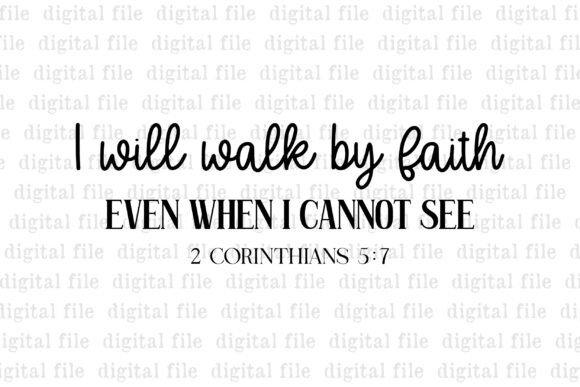
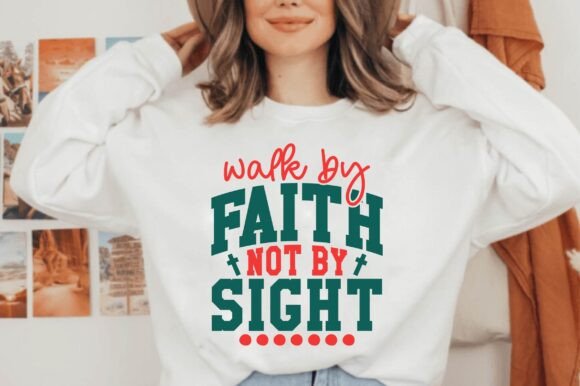
The Walk by Faith Not by Sight design immediately conveys a sense of strength and intentionality. It’s a layered text-based machine embroidery design with a graphic feel, making it suitable for both spiritual-themed apparel and general inspirational wear. The typography is well-spaced, which is crucial for legibility after stitching. The phrase itself feels modern yet timeless, and the structure of the words suggests a thoughtful hierarchy—ideal for tote bag designs, sweatshirts, or even aprons where readability matters.
Visually, it doesn’t rely on intricate images or patterns, which makes it versatile across different embroidery machines and file types. The SVG format included is layer-by-layer enabled, so if you're using Cricut, you can easily manipulate each part of the text individually. That’s a big plus for customization, especially if you’re planning to tweak colors or fonts for client projects or Etsy listings.
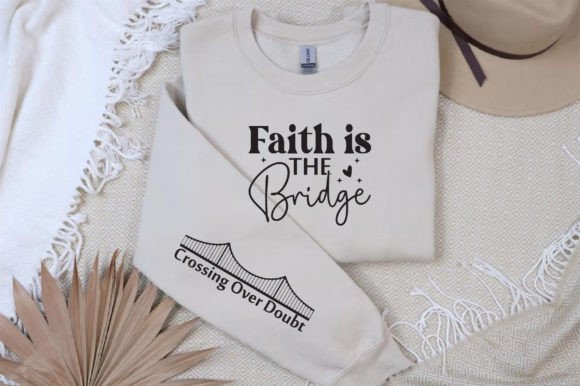
Real-World Test: Custom Sweatshirt Project
I tested this design on a medium-weight cotton sweatshirt as part of a personalized gift order. After transferring the SVG file into my embroidery software, I was impressed by how cleanly it translated into stitch paths. The font used had subtle serifs that gave it character without complicating the stitch pattern. The running stitch and satin stitch areas were clearly defined, which made it easy to adjust tension settings and choose appropriate thread colors.
On the actual garment, the design stitched smoothly and retained its crispness. The contrast between the white fabric and the chosen thread colors (navy and gold) really brought out the phrase, making it stand out like a statement piece. Customers would likely appreciate the clarity and boldness of the message, especially when it comes to holiday gifts or boutique branding around themes of hope and perseverance.
Where This Design Shines
- Custom Apparel: Perfect for t-shirts, sweatshirts, or hoodies that need a strong visual impact.
- Tote Bag Design: The layout adapts well to larger surfaces, making it ideal for embroidered totes or reusable bags.
- Baby Items: While the theme isn’t baby-specific, the design could be reworked subtly for nursery decor or soft signage.
- Handmade Products: Its simplicity adds a professional touch to handmade items without overwhelming them.
- Etsy Sellers & Small Shop Merchandise: The design has a ready-to-sell vibe that works well for digital embroidery files and printable mockups.
- Commercial Projects: With its clear layers and compatibility with major cutting machines like Silhouette Cameo, it's suitable for small batch runs or branded merchandise.
One thing I noticed is that the design assets are minimal but effective. Since there's only one SVG and one DXF file, I recommend reviewing them carefully to ensure they align with your specific embroidery machine setup. Also, since no exact hoop sizes or stitch counts are provided, it’s best to test on scrap fabric first before committing to a finished product.
Use with Caution: Key Limitations
While the Walk by Faith Not by Sight design is solid for many applications, there are some scenarios where extra attention is needed:
- Small Hoop Sizes: The design might require scaling down, which can affect lettering clarity and stitch integrity.
- Textured Fabrics: Stitch lines may not lie flat on materials like flannel or canvas, leading to puckering.
- Thin or Stretchy Fabrics: These can cause distortion in detailed corners or tiny letters, especially if the stabilizer isn't properly applied.
- Dense Stitch Areas: If the design includes heavy fill stitches, consider adjusting density for better results on delicate fabrics.
- Curved Surfaces: When applying to caps or curved patches, check whether the design remains legible after contouring.
- Frequent Washing: For items like kitchen towels or baby clothes, assess durability and colorfastness of the threads used.
In short, while the design is adaptable, it’s important to evaluate how it will perform on the intended fabric type and surface. Always do a test run on a sample piece before mass-producing or sending out personalized gifts.
Design Notes for Embroidery Machines
Embroidery designers who use Silhouette Cameo or other cutting machines will find the DXF file useful for applique work. However, because there’s no mention of specific stitch count or machine compatibility beyond SVG and DXF support, I advise checking your machine’s requirements before starting a project. If you're using this for commercial embroidery or digital product previews, confirm the licensing terms independently, as they aren’t outlined here.
Customer Reactions and Market Fit
In the case of the sweatshirt I embroidered, customers loved the bold yet elegant appearance. It felt like a meaningful handmade product rather than a generic print-on-demand item. The message resonated well, especially among those looking for motivational or faith-based apparel. As such, this design could be a great fit for:
- Personalized gifts during holidays or special events
- Gifts for graduation, birthdays, or weddings
- Merchandise for small shops focusing on boutique branding
- Printable mockups for digital product sellers
- Projects aimed at building customer trust through thoughtful, professional presentation
The key to success with this design lies in choosing the right thread colors and background fabric. A black and white mockup helped me visualize how it would look on dark fabric—contrasting thread choices are essential there. On lighter backgrounds, it maintains its charm with softer tones, while darker ones demand bolder hues for visibility.
Practical Tips for Best Results
If you're considering using the Walk by Faith Not by Sight design for your next embroidery project, here are a few tips based on my experience:
- Test on Scrap Fabric First: Especially if you're working with stretchy or thin material, a trial stitch helps avoid surprises.
- Check Thread Color Contrast: Use a light-colored thread on dark fabric and vice versa for maximum visibility.
- Review Stitch Density: High-density areas can cause puckering; reduce density slightly for more delicate fabrics.
- Confirm Hoop Size: Though not specified, knowing your machine’s limits will help prevent misalignment or cropping issues.
- Inspect Small Details: Look closely at the corners and edges of the letters to ensure they won’t get lost during the stitch process.
- Use Proper Stabilizer: Especially for lightweight or stretchy materials, a good stabilizer keeps everything from shifting mid-stitch.
- Test in Black and White: This helps you see how the design will look regardless of thread color selection.
- Compare Light and Dark Backgrounds: The same design can drastically change in perception depending on fabric shade.
- Verify Licensing Before Selling: If you're an Etsy seller or part of a craft business, double-check the design’s usage rights for resale or commercial application.
Final Thoughts: A Reliable Statement Design
The Walk by Faith Not by Sight design is a standout option for anyone aiming to create a visually impactful and emotionally resonant product. Whether you're an embroidery hobbyist or a seasoned decorator, this machine embroidery design offers a lot of flexibility and professionalism. It’s not just about how it looks on screen—it's about how it translates into a tangible, stitched product that customers can connect with.
For those in the craft business, this design brings value to both personal and commercial embroidery projects. Its adaptability means it can fit into various niches—from holiday embroidery to baby embroidery, or even as part of a collection of T-shirt designs for a seasonal launch. It also enhances brand consistency if you're curating a line of graphics with similar themes.
Overall, this is a design worth adding to your library—but remember, every embroidery project is unique. Take time to understand how it interacts with your tools, your materials, and your market. With the right approach, it can become a signature piece in your range of handmade shop products or digital embroidery files.